| Date: | Wednesday August 06, @07:20AM |
|---|---|
| Author: | ewing2001 |
| Topic: | Bush |
| from the AP/FOX dept. | |
Bush admin wants Congress to approve $68 million for research into advanced nuclear weapons technology
150 top scientists and senior officials will meet at the Offutt Air Force Base at "Future Arsenal" panel
Updates: Scientists from Los Alamos, Sandia and Livermore
AP/FOX -Wednesday, August 06, 2003
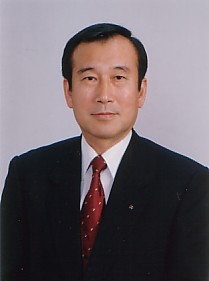
HIROSHIMA, Japan — The mayor of Hiroshima criticized U.S. officials on Wednesday for pursuing new nuclear weapons technology, as he marked the 58th anniversary of the world's first atomic bomb (search) attack.
Tadatoshi Akiba said Washington's apparent worship of "nuclear weapons as God" was threatening world peace.
"The Nuclear Non-Proliferation Treaty (search), the central international agreement guiding the elimination of nuclear weapons, is on the verge of collapse," Akiba said during the annual ceremony at the Peace Memorial Park. "As the U.S.-British-led war on Iraq made clear, the assertion that war is peace is being trumpeted as truth."
At 8:15 a.m., a bell tolled, marking the minute on Aug. 6, 1945 when the U.S. atomic bomb's explosion devastated this city, 429 miles southwest of Tokyo. For 60 seconds, tens of thousands of survivors, residents, activists and officials from around the world bowed in silence to commemorate the 160,000 people who were killed or injured in the blast.
Reminding the crowd of the "blazing hell fire that swept over this very spot 58 years ago," Akiba called all nuclear weapons "utterly evil, inhumane and illegal under international law."
This year's ceremony comes less than a week after North Korea agreed to U.S. demands for six-nation talks to resolve the standoff over the isolated communist regime's nuclear programs. China, Russia, Japan and South Korea were expected to take part, though no timeline for the meetings has been decided.
Akiba didn't directly criticize Pyongyang's nuclear ambitions. But he urged North Korean leader Kim Jong Il, President Bush and the heads of other nuclear-armed countries to visit Hiroshima and confront the nuclear attack's aftermath.
The Bush administration wants Congress to approve $68 million for research into advanced nuclear weapons technology, including research on a ground-penetrating nuclear warhead, known as a bunker-buster, and smaller, so-called mini-nukes, of less than 5 kilotons.
The United States has had a self-imposed ban on nuclear testing since 1992.
During Wednesday's ceremony, Prime Minister Junichiro Koizumi reaffirmed Japan's policy banning the production, possession and transport of nuclear weapons within its borders.
"Our country's stance on this will not change," Koizumi said, adding that Tokyo would push for countries to ratify the Comprehensive Test Ban Treaty, which would impose a moratorium on nuclear explosion tests.
Afterward, thousands of people lined up in the sweltering heat to burn incense, pray and shoot photographs at the arch-shaped stone memorial, which contains the names of hundreds of thousands of people who were in the city on the day of the bombing.
Hiroshima city added to the cenotaph 5,050 names of those who have died from cancer and other long-term ailments over the past year, raising the toll to 231,920, city official Yukiko Ota said.
Ceremonies will be held Saturday on the anniversary of the atomic bombing of Nagasaki, on the southernmost main island of Kyushu. About 70,000 people were killed by an atomic bomb dropped on Nagasaki from a U.S. aircraft, three days after the one that leveled Hiroshima. Six days later, on Aug. 15, 1945, Japan's surrender ended World War II.
BBC -Wednesday, 6 August, 2003
A two-day conference to plan the future of the American nuclear arsenal, including the development of so-called mini-nukes, is being held this week at StratCom, the headquarters of US Strategic Command in Nebraska.
The Bush administration appears determined to build a new generation of small nuclear weapons, especially "earth penetrators", designed to attack nuclear, chemical or biological materials buried deep underground.
The Pentagon advises moving away from old deterrents
A new form of warfare is coming. It is the extension into the nuclear field of the highly accurate conventional bombs and missiles already in use.
Some 150 top scientists and senior officials will meet at the Offutt Air Force Base and the meeting will be in private. According to an agenda leaked earlier this year by an anti-nuclear group, one of their panels will tackle the issue of mini-nukes.
In the jargon preferred by those in this business, they are called "small build" weapons - weapons of about one kiloton, 1,000 tonnes of explosive.
According to the leaked agenda, the "Future Arsenal" panel will examine "requirements for low-yield weapons, EPW's, enhanced radiation weapons, [and] agent defeat weapons."
Decoded, this means nuclear devices with that produce small amounts of radiation, earth-penetrating weapons to attack underground bunkers, larger devices with greater radiation effects and weapons to destroy chemical and biological agents.
The meeting, called the "Stockpile Stewardship Conference", grew from a re-assessment of US nuclear strategy in the post-Cold War era.
This "Nuclear Posture Review" was sent by the Pentagon to Congress in December 2001.
Julian Borger in Bellevue, Nebraska
The Guardian -Thursday August 7, 2003
US government scientists and Pentagon officials will gather today behind tight security at a Nebraska air force base to discuss the development of a modernised arsenal of small, specialised nuclear weapons which critics believe could mark the dawn of a new era in proliferation.
The Pentagon has not released a list of the 150 people at the secret meeting, but according to leaks, they will include scientists and administrators from the three main nuclear weapons laboratories, Los Alamos, Sandia and Livermore, senior officers from the air force and strategic command, weapons contractors and civilian defence officials.
Requests by Congress to send observers were rejected, and an oversight committee which included academic nuclear experts was disbanded only a few weeks earlier.
The purpose of the meeting, at Offutt air force base, only became known after a draft agenda was leaked earlier this year, which included discussions on a new generation of low-yield "mini-nukes", "bunker-buster" bombs for possible use against rogue states or organisations armed with nuclear, biological or chemical weapons.
The session will also debate whether development of the weapons will require the White House to end the US moratorium on nuclear testing declared in 1992.
All trademarks and copyrights on this page are owned by their respective companies.
printed from Mayor of Hiroshima criticizes new U.S. Nuclear Weapon Program on 2004-05-06 05:43:39